Axiom AI Insights
For established and larger organisations. Strategy and consultancy that helps your leadership team decide where AI fits, then plan and deliver it.
Visit axiomaiinsights.co.ukThe 2030 Company is a way for a leadership team to picture its business in 2030, with AI built into how it runs, and work back to what to change today.
The 2030 Company starts from the whole business, not a single tool. Picture how it could run a few years from now, with AI a deliberate part of it, and the decisions worth making today become much clearer.
A leadership team tests that picture against the world its business will be working in. Then it plans the path from where the business stands today: what changes, who does the work and in what order.
For one firm, the first decision might be whether to automate its quoting and invoicing or take on more staff. For another, how its customer service changes once customers use AI to compare suppliers before they get in touch.
We chose 2030 because it is close enough for the people in charge today to still be in charge when it arrives, and far enough away for the business to become something different by then.
It keeps the leadership team on the questions they already own: customers and growth, people and work, investment and profitability, leadership and control. It is for every business with a future to decide, from a ten-person firm to a national one, in any sector.
The world a business sits in is changing too. Its customers are starting to use AI to find and choose who they buy from, and some of the companies that will matter most to it in 2030 don't exist yet.
It is a business you would recognise: the same customers, the same trade and the same name over the door. AI is part of how it works, and its leadership team decided where it belongs and where it does not.
An enquiry is read, sorted and answered within hours, with the history to hand and the right person already on it. Customers notice the speed, and the people serving them have time to talk.
The chasing, the re-keying and the first drafts are done before anyone sits down to them. Experienced people give their day to customers and to judgement, and the owner's evenings are their own again.
Quotes, invoices, records and reports are prepared alongside the job, from the same information. Nothing goes out, and no money moves, without a named person approving it.
Management accounts, cash and the order book are up to date on the day, so the meeting is spent deciding. Options arrive with their trade-offs already worked through, including some the team had not thought of.
The business knows what each piece of work costs to do, and it can show what was done and who approved it when a customer, an auditor or a regulator asks. The limits on what AI may do are set at the top and written down.
New uses are tried, measured and kept or dropped as an ordinary management decision, the way a new supplier or a new piece of kit would be. There is no separate AI project, and the team keeps deciding as the technology moves.
Most businesses are already being asked to record more, prove more and respond faster, with no more people to do it. Run this way, a company keeps its records as it goes and its people have the time to respond.
Tuesday 17 November
In this interactive experience you'll see business decisions brought to life in a company run with AI as a deliberate part of its everyday operations. You'll question the choices behind it with other owners and directors, and explore what they could mean for your own company.
Tuesday 17 November 2026 · Coffee from 08:30, session 09:00 to 11:00 · Sintons, Barrack Road, Newcastle · Free, and places are limited
There is no sales pitch and no unsolicited sales follow-up.
Part of the North East Entrepreneurship Week fringe programme, brought together by the Entrepreneurs' Forum. Hosted by Adam McEnaney, with Ciaron Gallagher (Co-Founder, Unity Angels), Joel Pickin (Head of Engineering, ION) and Jordan Groody (Founder, Haus of Finance).
The 2030 Company is applied by our own two businesses, Axiom AI Insights and Build My AI Team, and we run them this way. Which one fits depends on the size of your business and how hands-on you want to be.
For established and larger organisations. Strategy and consultancy that helps your leadership team decide where AI fits, then plan and deliver it.
Visit axiomaiinsights.co.ukFor small businesses and sole traders who want to build their own AI team on Claude, on their own or with help.
Visit buildmyaiteam.com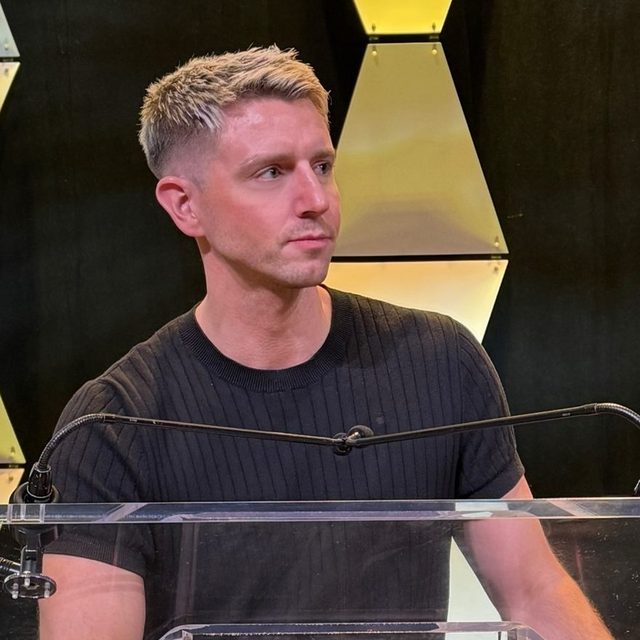
Managed the Chief Executive's office at a major energy company and led its change functions, after working in management consulting.
Created The 2030 Company to give leadership teams a clear picture of what their business could become with AI, and a practical way to get there.
Founded Axiom AI Insights and Build My AI Team.
Runs his own businesses with AI built into how the work gets done.
Based in Newcastle upon Tyne, working with businesses across the UK.